Buying guides
Noise Cancelling Headphones, Explained
How active noise cancelling works, what adaptive and transparency modes do, and how to pick between over-ear headphones and earbuds.
By Sam Whitaker, Sep 18, 2026, 2 min read

Active noise cancelling, or ANC, uses tiny microphones to listen to the sound around you and plays an inverted copy of it through the speakers. The two waves cancel out, and the steady drone of an engine or air conditioner fades away.
What ANC is good at, and what it isn't
ANC is excellent at low, constant sounds: plane cabins, trains, office hum. It is less effective against sudden, high-pitched noises like voices or a dropped plate. That is where passive isolation, the physical seal of an ear cushion or ear tip, does the work.
Adaptive and transparency modes
- Adaptive ANC samples your surroundings many times a second and adjusts strength automatically.
- Transparency mode pipes outside sound in, so you can hear announcements or a colleague without taking the headphones off.
- Wind reduction lowers the rumble you hear outdoors on breezy days.
Over-ear or earbuds?
Over-ear headphones usually cancel more noise, last longer on a charge and sound bigger. Earbuds fit in a pocket, stay put during workouts and are easier to sleep in. Many people end up with both: over-ears for travel and focus, earbuds for the gym and the commute.
Our picks
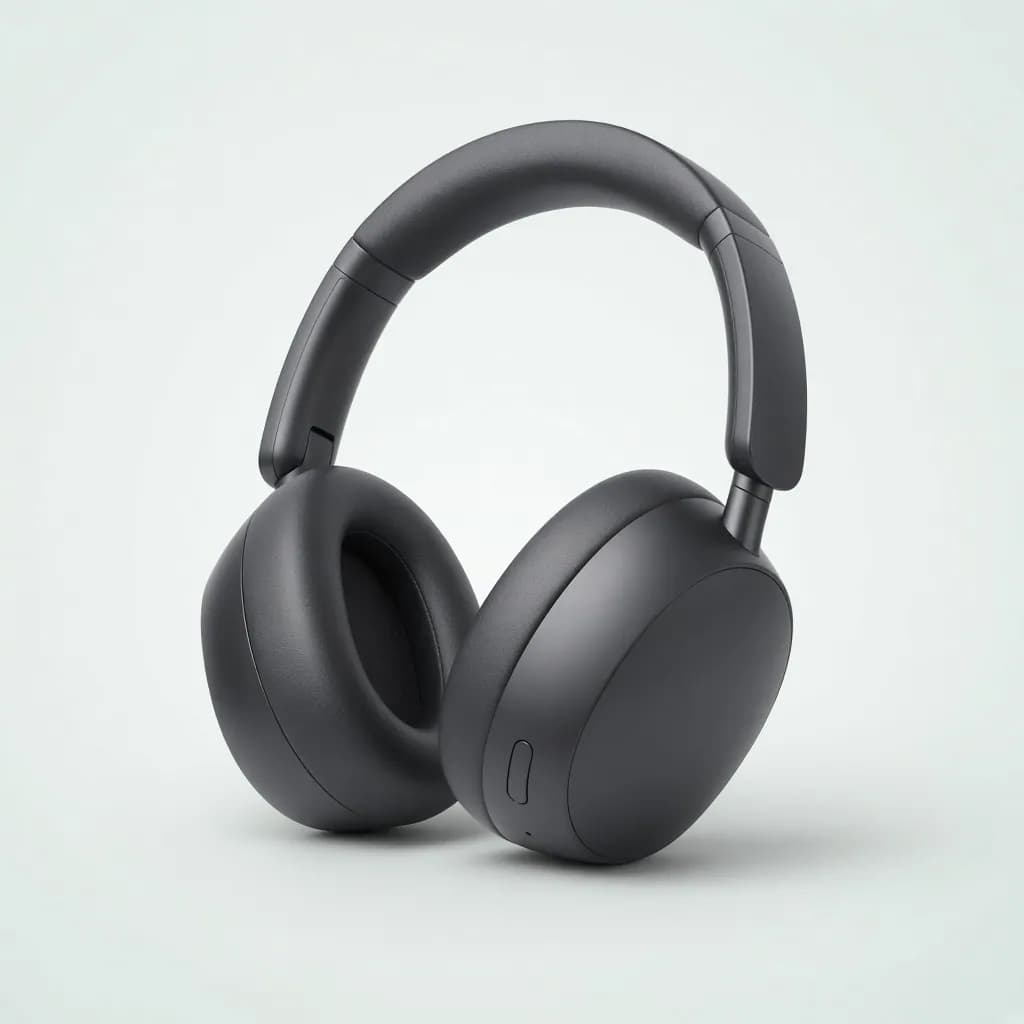 Save 16%Top pick
Halden Audio
Aria ANC Wireless Headphones
No reviews yet
Sale price $249.99
Was $299.99$237.49 with Pursure Plus
Free delivery in 2 days
 Save 13%
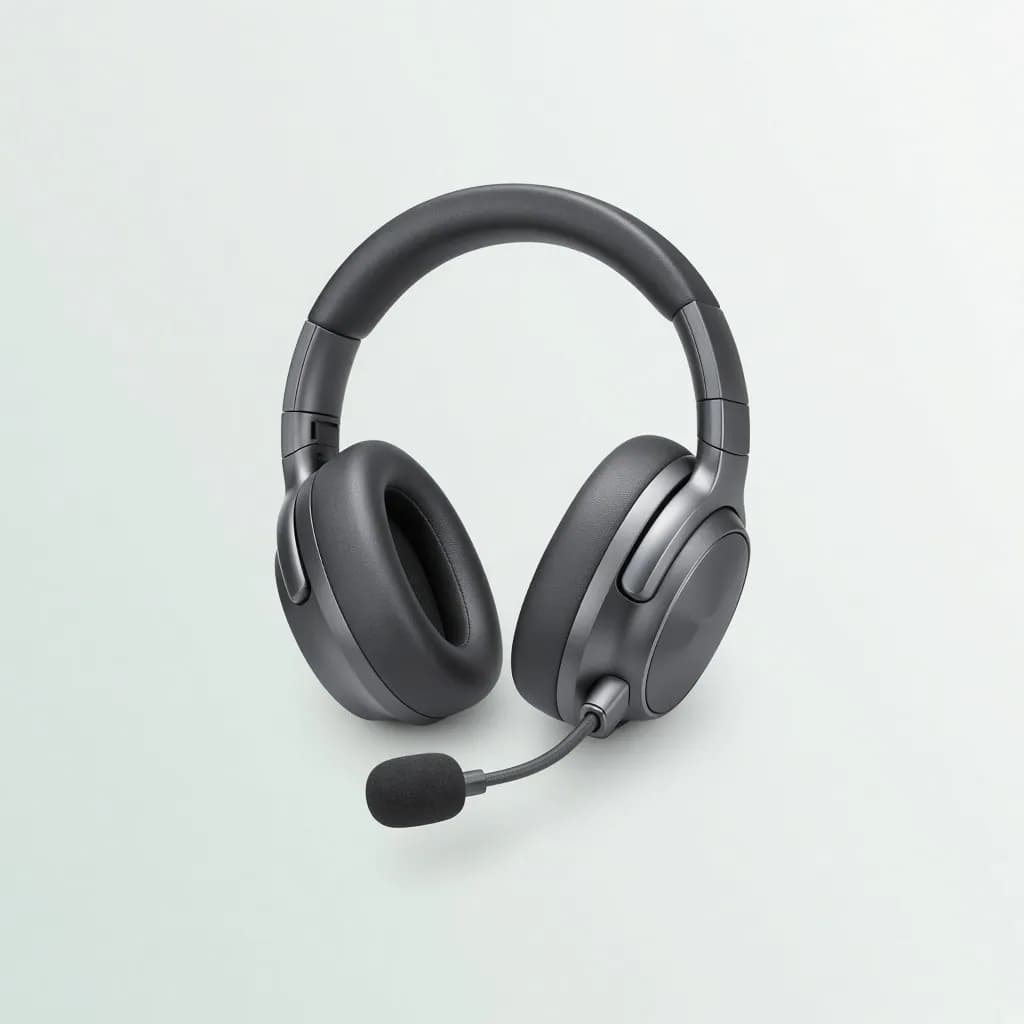
Halden Audio
Pebble Pro Wireless Earbuds
No reviews yet
Sale price $129.99
Was $149.99Free delivery in 2 days
Specs worth checking
- Battery life with ANC switched on, not just the headline figure.
- Multipoint Bluetooth, if you switch between a laptop and a phone.
- Codec support: AAC for iPhone, LDAC or aptX for higher-quality Android streaming.
- Weight, if you plan to wear them for hours at a time.
New guides in your inbox
One email when a new guide or deal calendar goes live.
More from the journal
Inside Pursure
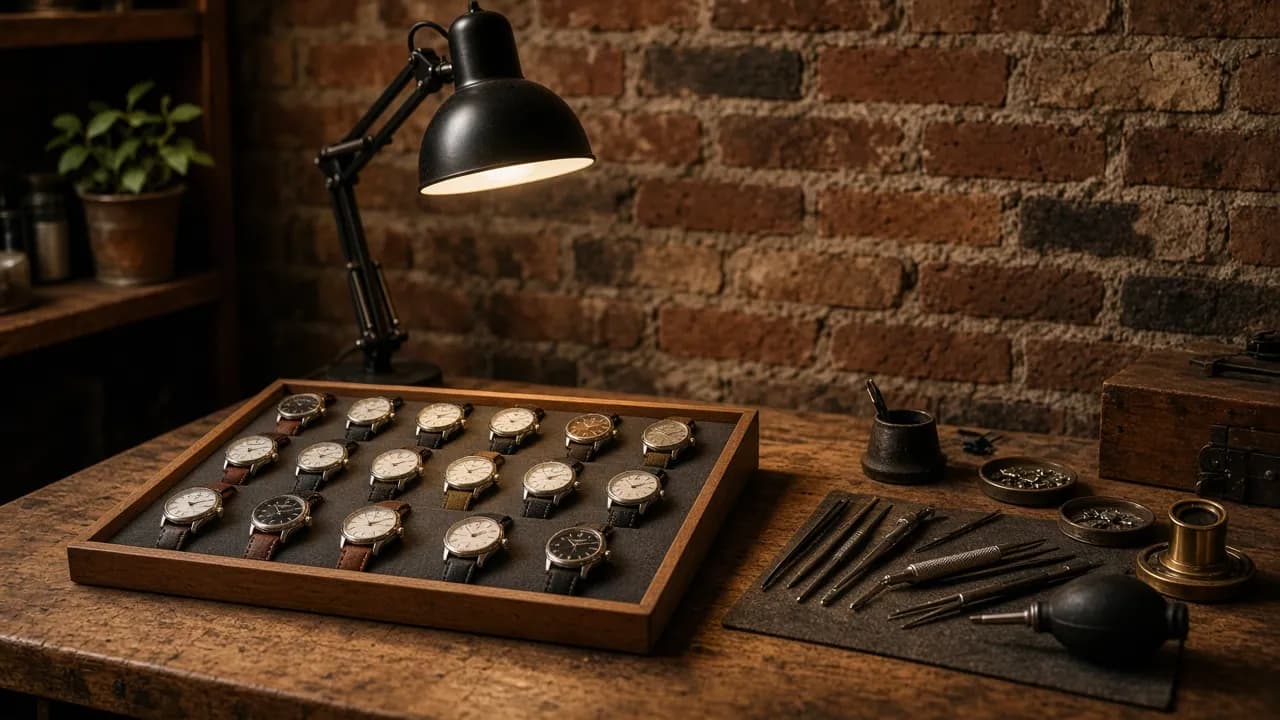
Meet the Seller: Hour & Hand, Brooklyn
An independent watch shop with watchmakers on the bench. Daniel Okafor on inspecting every watch, and why the box and papers matter.
Sep 29, 2026, 2 min read

Deals
Black Friday 2026 at Pursure: The Complete Calendar
Every date, every deal window and how Member Early Access works, from Early Black Friday on November 2 to Cyber Week Extended.
Sep 29, 2026, 2 min read

Gift guides
25 Gifts Under $50 That Don't Look Budget
Hand-poured candles, sealed skincare, gourmet boxes and small tech upgrades: our editors' shortlist of gifts that feel generous without the price tag.
Sep 27, 2026, 2 min read